Is going green in transportation already an obligation, or just a vision of the future? What solutions can the industry implement to operate sustainably? Let’s take a closer look at this by examining trends, regulations and actions that can change the face of transportation to a greener one.
Ecology in transportation – necessity or future?
Today’s TSL (Transportation, Freight Forwarding, Logistics) sector is struggling with one of the most important challenges of the 21st century – how to reconcile increasing customer demands, dynamic growth and tightening regulations with environmental concerns? Green transformation is no longer just an option, but is becoming a necessity in the face of global climate change and market expectations.
There are several major challenges to implementing green solutions in transportation. The main problem is the high initial cost associated with purchasing electric or hydrogen vehicles, even though they are cheaper to operate. In addition, the development of infrastructure, such as charging stations and hydrogen refueling points, requires significant investment.
The transition to greener solutions also involves adjusting work organization, optimizing routes or implementing new fleet management systems, which generates additional costs.
Despite these difficulties, green transportation is not only the future, but also a real opportunity for economic benefits. Investments in sustainability will contribute to lower vehicle operating costs, and companies that focus on green responsibility will gain a competitive advantage in a market where this approach is becoming increasingly appreciated.

How to take an ecological approach to transportation fleet management?
The transportation industry is facing the need to introduce innovative technologies to reduce its environmental impact. Green fleet management is key in the transformation of the sector, and modern technologies play a key role.
Sustainable transport – electric and hydrogen vehicles
Electric vehicles (EVs) and hydrogen vehicles are key components of green transportation. Electric vehicles reduce emissions, and the development of charging stations is making them increasingly available. Hydrogen, on the other hand, especially in heavy transportation, is a promising alternative thanks to its minimal emissions and fast charging times.
Intelligent fleet management systems
Modern fleet management systems are based on the collection of vehicles and driving style data. Thanks to artificial intelligence, fleets are monitored for fuel efficiency and vehicle condition to reduce emissions and lower operating costs.
Route optimization and logistics planning
Traffic management and route optimization systems allow selection of the most efficient routes, reducing fuel consumption and CO2 emissions. These solutions also enable better fleet utilization and minimize empty mileage, helping to reduce the environmental impact of transportation.
Education and informed fleet management
Driver education on eco-driving and technologies that monitor driving style allow drivers to adopt greener habits and further optimize fleet performance.
Technologies that support green fleet management, such as electric vehicles, hydrogen vehicles, fleet management systems, route optimization and driver education, are key to protecting the environment. Companies that invest in these solutions not only support sustainability, but also improve their operational efficiency.
Euro 6 standard – An important part of the ecological transformation of transport
The Euro 6 standard is one of the key achievements of the European Union, which aims to improve air quality and protect the environment. Introduced in 2015, it applies to all motor vehicles, including cars and trucks. The goal of this standard is to significantly reduce emissions of harmful substances that negatively affect human health and the environment.
In practice, this means:
- Lower NOx emissions – 55% less compared to the Euro 5 standard
- Reduced particulate matter – about 80% less, reducing the risk of respiratory diseases.

LCL Spedition: Together for green transportation and the environment
LCL Spedition not only realizes the highest standards in the transportation industry, but also actively works to protect the environment. The company is fully committed to implementing solutions in line with the philosophy of sustainable development.
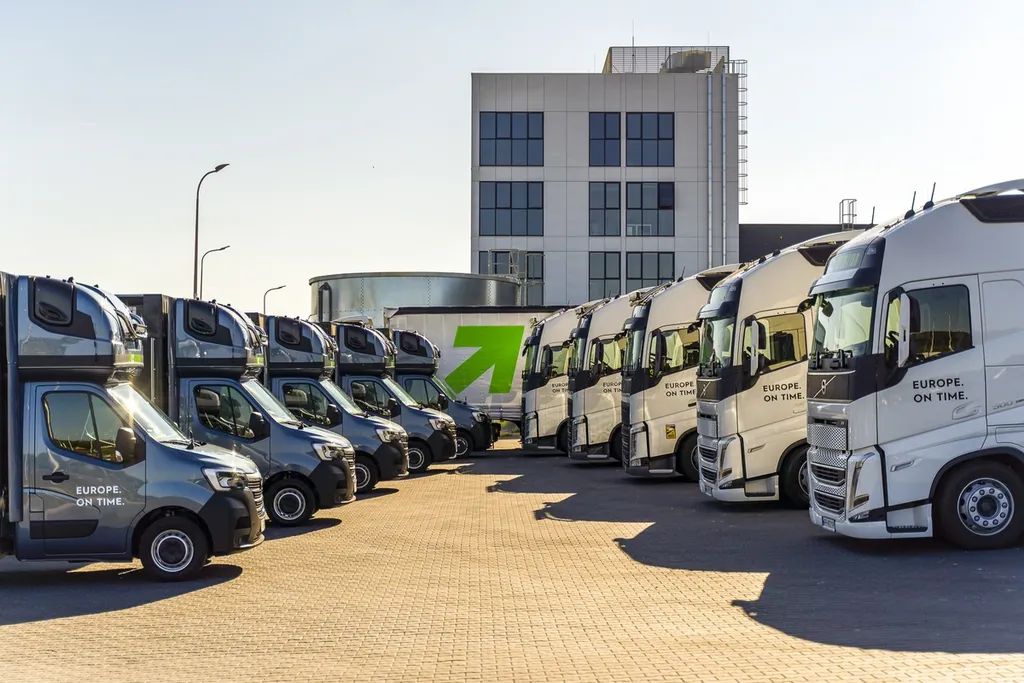
By investing in a modern fleet that meets 100% EURO 6 standards, LCL Spedition minimizes exhaust emissions and contributes to reducing the negative impact of transportation on the environment. The company also relies on renewable energy sources – 100% of the energy used in its operations comes from RES, as confirmed by official certificates.
However, LCL Spedition’s activities are not only investments in technology. The company educates the youngest, teaching them how to save energy, segregate waste and choose environmentally friendly means of transportation. Thanks to modern driving style monitoring systems and eco-driving principles, the company’s drivers further reduce fuel consumption, cutting CO2 emissions.
LCL Spedition is proving that green transportation is a future that starts today. By investing in sustainability, the company not only supports environmental protection, but also builds a competitive advantage by being a leader among responsible transport companies.